
Zootopia 2 Success Sparks a Risky Real-World Pet Trend
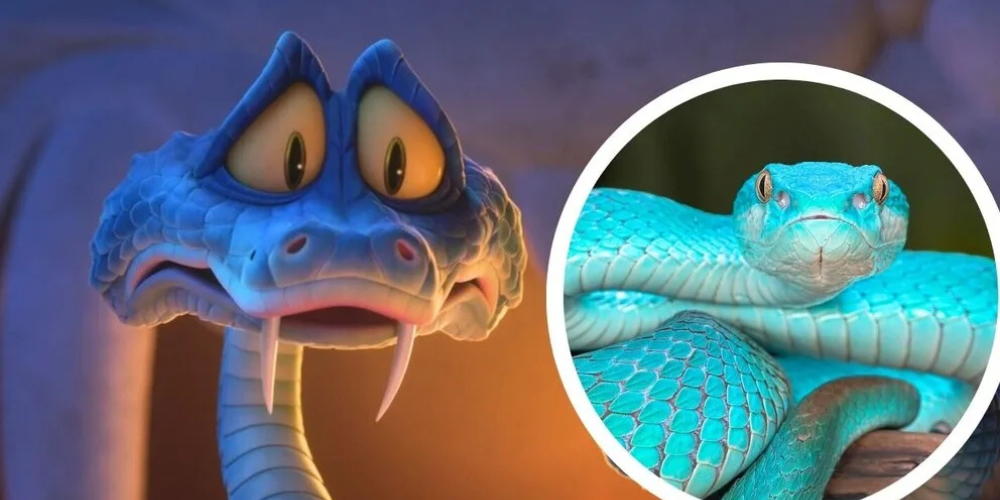
Disney’s Zootopia 2 is smashing records in China, but its massive success is now raising serious safety concerns.
The animated sequel has reportedly earned more than 3.5 billion yuan, outperforming the original film and becoming a cultural phenomenon. Much of the buzz centres on a new breakout character, a blue snake named Gary De’Snake, who has quickly become a fan favourite.
Unfortunately, that popularity has dangerously spilled into the real world.
Following the film’s release, thousands of fans have reportedly turned to online shopping platforms in search of real venomous snakes that resemble the animated character. The species most commonly being purchased is the Indonesian pit viper, a snake known for its striking blue colouring — and its highly dangerous bite.
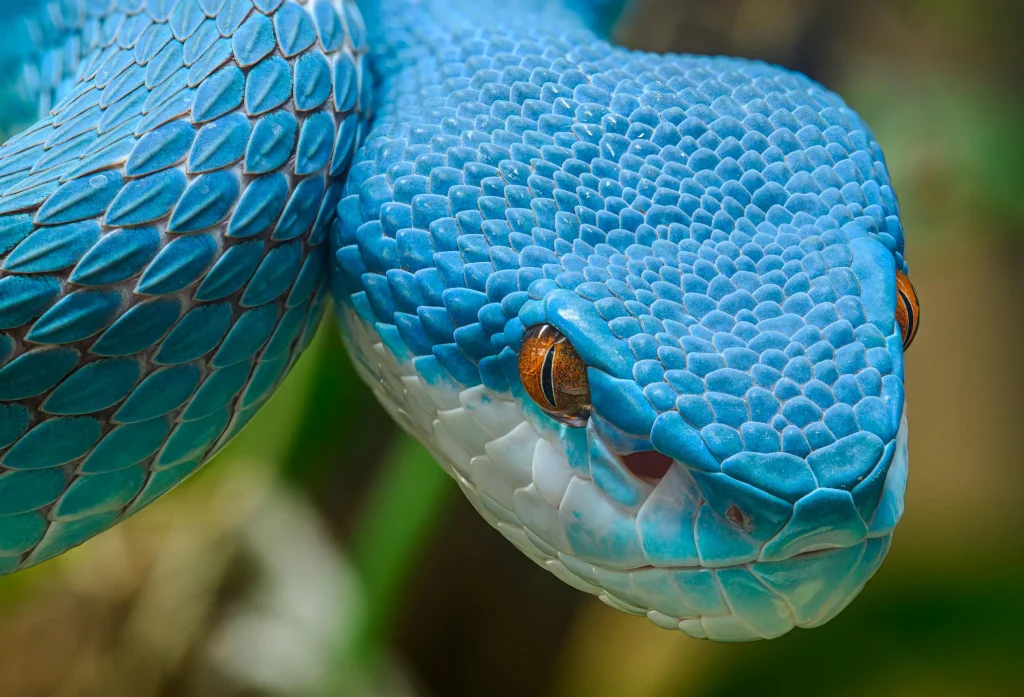
Experts and Chinese state media have issued urgent warnings, noting that pit vipers carry hemorrhagic venom, which can cause severe internal bleeding, tissue damage, and even death if not treated quickly.
While owning this type of snake is not strictly illegal in China, the sudden surge in sales has exposed major gaps in regulation — especially around the shipping of live, dangerous animals through the mail.
Officials are now urging the public to think twice before turning a movie obsession into a risky pet choice. What looks cute on screen can be extremely dangerous in real life. 🐍🎬
RELATED: Move Over, Puppy Yoga – Snake Yoga Is the Next Big Thing
Facts About Indonesian Pit Vipers 🐍
They are highly venomous
Indonesian pit vipers belong to the viper family and produce hemorrhagic venom, which attacks blood and tissue. A bite can cause severe internal bleeding, intense pain, swelling, and tissue death. Without fast medical treatment, bites can be fatal.
They are ambush predators
These snakes don’t chase prey. Instead, they rely on camouflage and patience, staying still for long periods before striking suddenly.
They have heat-sensing pits
Like all pit vipers, they have special heat-sensing organs between their eyes and nostrils. This allows them to detect warm-blooded animals, even in complete darkness.
Their colour can be misleading
Some Indonesian pit vipers have striking blue, green, or turquoise colouring, which can make them appear beautiful or even “cute.” In reality, this colouring serves as camouflage in tropical forests.
They are native to Southeast Asia
These snakes are found in Indonesia and surrounding regions, living in forests, plantations, and sometimes near human settlements.
They are not domesticated animals
Pit vipers are wild reptiles, not bred for companionship. They do not recognize owners, cannot be trained, and remain unpredictable throughout their lives.
They strike extremely fast
Pit vipers can strike in a fraction of a second. Even experienced handlers can be bitten if they lose focus for a moment.
Bites can cause long-term damage
Survivors of pit viper bites may experience permanent nerve damage, loss of muscle tissue, or require surgery or amputation in severe cases.
Antivenom is not always easy to access
Treatment requires specific antivenom and hospital care. Delays in treatment greatly increase the risk of serious complications or death.
They are dangerous to keep as pets
Because of their venom, unpredictability, and specialized care needs, experts strongly warn against keeping pit vipers as pets. Escaped snakes also pose a serious risk to the public.
Beat FOMO by being in the know!
Sign up for our newsletter today and never miss a beat.
Related




Upcoming Concerts