
“Peanut Butter Raises” Are on the Rise… And Your Paycheque Might Feel It
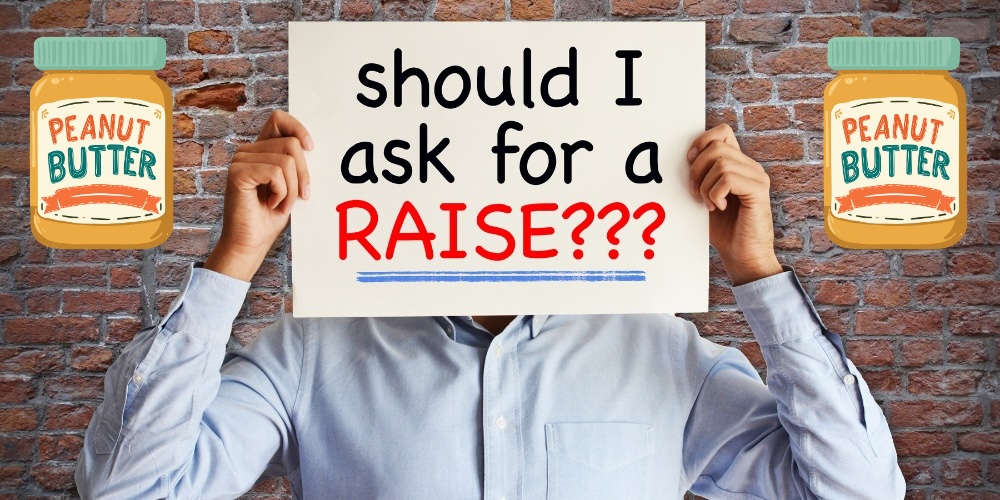
Your raise in 2026 might look a little… nutty.
According to new research, 44% of companies are either planning to use or seriously considering “peanut butter raises” — meaning pay increases are spread evenly across employees instead of being handed out based on merit, performance reviews, or who talks the loudest in meetings.
The trend is highlighted in Payscale’s 2026 Compensation Best Practices Report, which suggests peanut butter-style raises are about to have a major moment.
And before you get too excited, don’t expect a thick layer. Raises are expected to hold steady at 3.5% in 2026, the same modest spread we saw in 2025. Smooth. Consistent. Not exactly life-changing.
So why are companies going this route?
Many employers are backing away from merit-based raises because they can be subjective, biased, and awkward. Performance reviews aren’t always fair, and deciding who “deserves” more money can quickly turn into an HR migraine.
Enter peanut butter raises: everyone gets the same slice. No favourites. No hurt feelings. No “why did they get more than me?” Slack messages.
RELATED: THE SIMPLE THREE-STEP STRATEGY FOR GETTING RICH
This approach isn’t entirely new. "Peanut butter raises" gained popularity first after the Great Recession, when companies were financially stretched and looking for ways to keep morale intact while keeping budgets under control.
Turns out, spreading small raises evenly felt better than giving big raises to a few and nothing to everyone else.
Bottom line: "Peanut butter raises" won’t make you rich, but they do make things feel fair. And in today’s workplace, fairness, predictability, and not starting a civil war in the break room might be worth more than an extra half percent. 🥜💰
If nothing else, at least now you know what to call it when your raise looks suspiciously identical to everyone else’s.
Beat FOMO by being in the know!
Sign up for our newsletter today and never miss a beat.
Related




Upcoming Concerts