
How To Make the Perfect Charcuterie Board (Without Overthinking It)
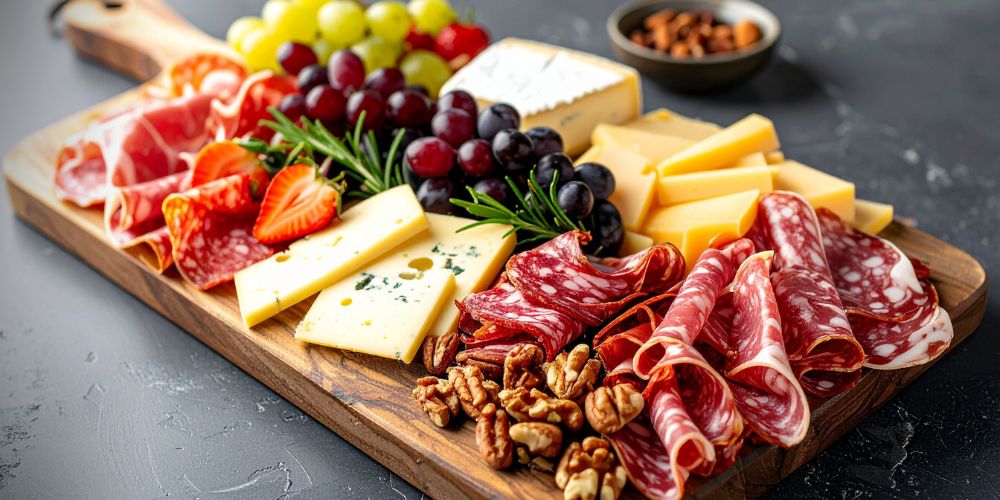
Charcuterie boards are more than just a platter of meat and cheese. They’re a conversation starter, a visual treat, and, if you do it right, downright addictive. Whether you’re hosting friends for the holidays or just want a fancy snack night, here’s a guide to building a board that will impress without stress.
But before we get into the how-to, let’s look at what a charcuterie board actually is.
Beat FOMO by being in the know!
Charcuterie 101
Charcuterie (shar-koo-tur-ee) is a French term that simply refers to prepared meats, including cured, smoked, or aged varieties. Over time, the idea of a “charcuterie board” expanded well beyond meat to include cheese, crackers, fruit and more.
RELATED: Canada’s most mispronounced words of 2025 (and how to say them) ...
Start With Whatever Board You Have
If you’ve got a fancy wooden board or a slate tray, great. If not, use a cutting board, a wide plate, or that random platter you once bought at HomeSense because it “looked cool.”
Charcuterie is forgiving. The only real rule is: give yourself enough room so everything isn’t stacked like a Jenga tower.
What You’ll Need for a Balanced Board
While your board can be as simple or elaborate as you want, there are a few categories that make the experience feel complete. You can mix and match based on what your guests like, what’s available, and your own preferences.
Choose Meats That Don’t Taste The Same
Cured meats are the heart of a charcuterie board, but variety is what makes them interesting. Aim for three types that hit different textures and flavours:
- Soft and buttery: Prosciutto or speck
- Classic and savoury: Genoa salami or soppressata
- Bold and peppery: Chorizo or a spicy salami
If you still want more protein, add a spreadable
We plating the slices, fold or ruffle them rather than laying them flat. This adds height, movement, and that "wow, this looks fancy" effect with almost no effort.
Pick Cheeses People Actually Want to Eat
This is not the time for cheeses you feel obligated to buy because they look artisanal and mysterious. Instead, go for cheeses that people are guaranteed to like. Pick:
- A soft cheese (brie is the universal crowd-pleaser)
- A firmer cheese (manchego, cheddar, anything you’d happily eat on its own)
- One wildcard (blue cheese if you’re brave, truffle gouda if you’re feeling luxurious or a goat cheese log if you want to keep things simple.)
Cut a few pieces so people don’t feel shy about being the first to dig in.
Add Freshness With Fruit and Vegetables
This is what keeps the board feeling bright rather than heavy. A mix of fresh and dried fruit brings both colour and natural sweetness.
Fresh options that work beautifully:
- Grapes
- Berries
- Apple or pear slices (tossed in lemon water to prevent browning)
- Pomegranate seeds
For dried fruit, think:
- Apricots
- Dates
- Cranberries
- Figs
For a crisp, refreshing bite, add a small cluster of cucumbers or a handful of cherry tomatoes. It’s surprising how much they balance out the richer items.
Bring Crunch With Crackers and Bread
Texture makes a charcuterie board feel complete. Choose at least two options:
- A simple, neutral cracker that goes with everything
- A second option with personality such as seeded, herbed, or artisanal crisps
If you want to add another option, add something bready such as baguette slices, crostini, or even soft dinner rolls if you want a cozy vibe.
Don’t Forget the “Extra Touches”
These tiny elements are what make people say, “This is the nicest charcuterie board I’ve ever seen.”
- Nuts: Almonds, pistachios, or candied walnuts
- Briny snacks: Olives, cornichons, pickled onions
- Spreads: Honey, whole-grain mustard, tapenade, fig jam
Scatter these in small pockets around the board or place them in little bowls to break up the layout.
How To Put It All Together
If you’re not sure where to start, use this simple flow:
- Place the cheeses first … they act like anchors.
- Add meats around them, folding or shaping for height.
- Fill in with fruit and veggies to bring colour.
- Add crackers and bread along the edges.
- Finish with nuts, pickles, and spreads in empty spaces.
Stop when the board looks full but not jam-packed. Think “artfully abundant.”
If things get a little wild, lean into it. Perfect symmetry is overrated, and honestly, it makes the food look staged instead of inviting.
Your Perfect Charcuterie Board Is All About Balance
A great charcuterie board balances flavours (salty, sweet, tangy), textures (soft, crunchy, creamy), and visuals (height, colour, shape). But don’t get stuck on whether it looks picture perfect.
The goal isn’t perfection. It’s variety and abundance. A good board gives people choices and lets them build their own ideal bite. Afterall, they won’t remember how “correct” the board was. What they’ll remember is how inviting it was and how it tasted!
Beat FOMO by being in the know!
Sign up for our newsletter today and never miss a beat.
Related




Upcoming Concerts