
Why Canadians Wear Pink Today And Why It Matters More Than Ever

If you or someone you know is suffering from a form of bullying, please call Canada Kids Help Phone
1-800-668-6868.
You might notice more pink than usual today.
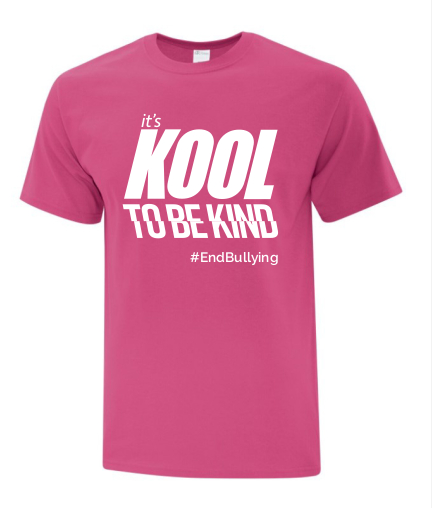
At schools, offices, and even on social media, people across Canada are wearing bright pink shirts with a shared purpose: standing up to bullying.
Pink Shirt Day has become one of the country’s most visible anti-bullying movements. But it’s more than a symbolic colour. It’s a reminder that kindness needs to be intentional and ongoing.
And right now, that reminder is needed.
Bullying continues to affect young people across Canada at alarming rates. Research shows that 71% of youth between 12 and 17 have experienced bullying in the past year. Nearly half say it happens repeatedly. Whether it happens face-to-face, in group chats, on social media, or later in the workplace, the emotional toll can be significant and long-lasting.
Here’s how this movement started and why it continues to mean something.
How a Small Act Sparked a National Movement
Pink Shirt Day traces back to 2007 in Berwick.
When a Grade 9 student was bullied for wearing a pink polo shirt, two classmates decided they wouldn’t let it slide. David Shepherd and Travis Price bought dozens of pink shirts and distributed them to other students in a show of support.
The next day, the hallways were filled with pink.
That simple gesture sent a powerful message: no one stands alone.
What began as a local response quickly grew into a nationwide and even international campaign focused on inclusion, empathy, and courage.
Beat FOMO by being in the know!
When Canada Marks Pink Shirt Day
In Canada, Pink Shirt Day takes place on the last Wednesday of February.
National support from groups like Pink Shirt Day and CKNW Kids' Fund helps fund educational programs, school initiatives, and community resources designed to prevent bullying before it starts.
It’s not just about awareness. It’s about action.
Bullying Today Looks Different
While bullying has long been an issue in schoolyards, today it often extends far beyond them.
Social media and messaging apps mean harassment can continue around the clock. For many teens, there’s no clear escape. What once ended at dismissal now follows them home.
The consequences can include:
• Anxiety and depression
• Lower academic performance
• Social withdrawal
• Long-term self-esteem challenges
And bullying doesn’t always end in childhood. Workplace harassment and online targeting show that this issue can continue into adulthood if left unaddressed.
That’s why prevention and open conversations are so important.
Why the Colour Pink?
Pink has become a visible sign of solidarity.
Wearing it signals that you believe in safe spaces. It tells young people that kindness matters — and that bystanders can make a difference.
The colour itself is simple. The meaning behind it is powerful.
How to Get Involved
You don’t have to organize a large event to participate.
You can:
• Wear pink at school or work
• Start a conversation about inclusion
• Share anti-bullying resources online
• Support local initiatives that promote mental well-being
• Speak up if you witness harmful behaviour
Small, consistent actions help build a culture where bullying isn’t ignored.
More Than Just a Day
It’s easy to treat awareness days as symbolic.
But Pink Shirt Day serves as a checkpoint. A reminder to ask whether schools, workplaces, and online communities are truly safe for everyone.
Bullying statistics show there’s still work to do.
When people choose compassion over silence, they help shift the culture.
And sometimes, meaningful change begins with something as simple as putting on a pink shirt and standing beside someone who needs support.
Beat FOMO by being in the know!
Sign up for our newsletter today and never miss a beat.
Related




Upcoming Concerts