
Great... El Niño Could Make Your Grocery Bill Even More Expensive
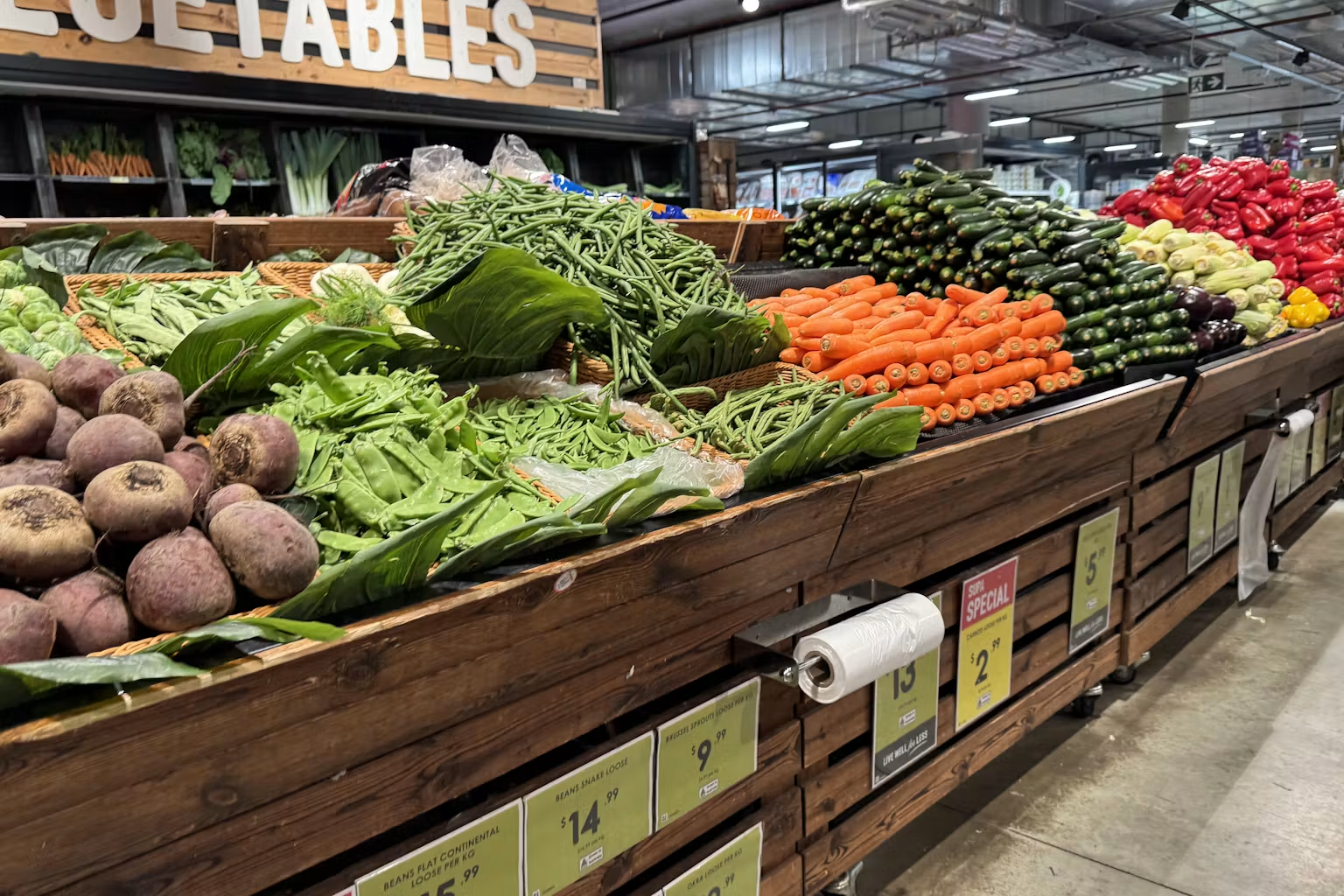
Because apparently our grocery bills haven't suffered enough.
El Niño weather patterns could put additional pressure on the prices of several everyday foods, particularly products Canada relies heavily on importing.
Extreme heat, drought and changing ocean temperatures can affect crops and seafood production in major food-producing regions around the world.
Translation: Mother Nature has apparently seen our grocery receipts and said, "Needs more chaos."
Here are some of the foods that could feel the pinch:
☕ Coffee
Coffee beans could become more expensive if drought and extreme weather hurt crops in major growing regions.
Which is fantastic news because coffee isn't exactly optional.
If my morning coffee becomes a luxury item, just know I will not be pleasant about it.
🍫 Chocolate & Cocoa
Cocoa supplies are already vulnerable to disruptions, so poor growing conditions in major producing regions could put additional pressure on chocolate prices.
And there are certain things Canadians will tolerate.
A $9 cauliflower? Fine. We've been emotionally preparing for that. But leave the chocolate alone.
🐟 Seafood
Warmer Pacific waters associated with El Niño can change where fish are found and affect some fish populations and catches.
That can potentially mean higher prices for both wild and farmed seafood.
RELATED: 30% of Daters Admit They've Gone on a “Foodie Call”
🥫 Tinned Fish
Smaller catches of fish used to make fishmeal can have a ripple effect throughout the seafood industry because fishmeal is also used as feed in aquaculture.
So even the humble can of tuna could potentially get more expensive.
At this rate, we're going to start financing sandwiches.
🥩 Beef & Pork
Meat prices could also feel indirect effects.
If extreme weather pushes up the cost of crops used for animal feed, raising cattle and pigs becomes more expensive, and some of those costs can eventually make their way to consumers.
Because apparently even the cow has a cost-of-living crisis.
🍅 Tomatoes, Peppers & Winter Produce
Canadians rely heavily on imported produce during the winter months.
If drought, flooding or extreme heat affects growing regions that supply our tomatoes, peppers and other vegetables, reduced supplies can translate into higher prices at Canadian grocery stores.
So basically, El Niño could potentially make coffee, chocolate, meat, seafood and fresh vegetables more expensive.
Perfect.
At this point, I'm just waiting for someone to announce that breathing will be $6.99 a month, or $8.99 if you want the ad-free version.
Beat FOMO by being in the know!
Sign up for our newsletter today and never miss a beat.
Related




Upcoming Concerts